

In simple terms, Factory Stuffing / Self-Sealing Permission means that an empty container comes to your factory from the nearest ICD or main port, you stuff the goods, and seal it yourself. You don't need to send your goods to CFS for loading. If the seal is not tampered with, no one will open your container, and it will be loaded directly onto the vessel.
Previously, the factory stuffing process was done in the presence of a jurisdictional excise officer who would check and seal your container. However, from 2018, the physical presence of the officer has been discontinued, and exporters now need to seal the container themselves with an electronic seal. This new process is called Self-Sealing Permission.
Once exporters are granted Self-Sealing permission, they need to buy E-seals. Each E-seal contains a unique RFID chip with electronic information. The normal cost for one E-seal is Rs.300, and they are generally sold in boxes containing 20-30 E-seals. You can only buy these from registered vendors.
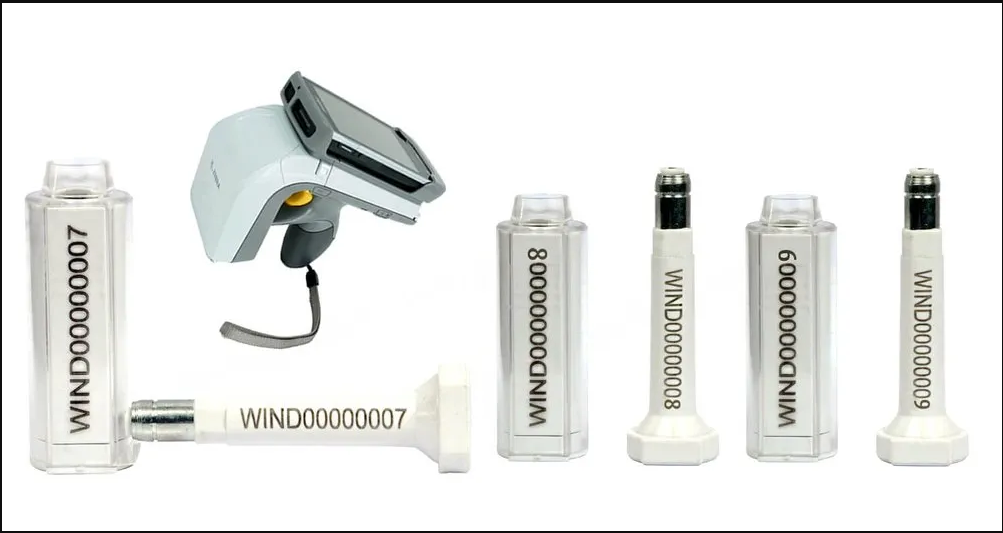
After stuffing the container, you need to attach the E-seal. During this process, you need to fill in all shipment details on the online web module/application of the E-seal vendor, such as IEC code, SB number and date, seal number, date and time of sealing, destination customs station for export, container number, truck number, etc. Once this information is entered online, it cannot be edited, so be careful when filling it out.
When your container reaches the port, a customs officer checks the E-seal with their device. If it displays a "Not Tampered" message, all further formalities are processed smoothly. This is the overall process.
Pros:
Cons:
All exporters who file GST returns are eligible to apply for Self-Sealing Permission. The initial validity of Self-Sealing Permission is 5 years for manufacturer exporters and 1 year for merchant exporters. After this period, they need to reapply to extend the validity.
Initially, the application for factory stuffing permission was made at the GST/Excise office. However, as per the latest rules, the application should be made at the jurisdictional Preventive Customs office of the factory or warehouse where you intend to carry out factory stuffing.
After submitting the application, a customs officer will visit the factory for inspection to check if there is sufficient space to carry out factory stuffing.
Based on the factory visit report and NOC from the jurisdictional GST office, the Preventive Customs officer will grant Self-Sealing Permission.
Once permission is granted by the Preventive Customs office, you need to register it at the respective port from where you will export.
Some of the major documents required for the Self-Sealing Permission application include:
Our experts assist you in getting Factory Stuffing Permission, here is how –
We have helped more than 250 companies get their Self-Sealing Permission and renew it.
We aim to provide very reliable services at the most competitive cost to exporters under one roof.
Social Media Presence: We strive to grow our relationships with clients by updating them about the latest notifications, circulars, and amendments in foreign trade policies on all social networking sites.
24/7 Telephonic Service: We offer fast services to clients who can't wait until morning to fix a problem. We are just a phone call away. Clients can call or drop a mail, and we try to reach them as soon as possible.

© 2024 K.K. Aequitas - Developed by - Advert India
© 2024 K.K. Aequitas - Developed by - Advert India