

Home Fixation of Norms | Norms Fixation for Advance Authorisation
According to Standard Input-Output Norms (SION), The exporter or applicant needs to make sure that the goods/input items which are imported are used in the export/output items. However, if the exporter intends to use additional inputs in the manufacturing process or higher wastage claim then the exporter can get norms changed for existing SION. Alternatively, if the export product does not fall into the SION List, in such cases also the exporter can get the norms fixed under para 4.07 of HBP. The application may be filed by manufacturer exporter and merchant-exporter. So the DGFT may require that the exporter to fix the norms for the quantum of inputs required per unit of the final export product. This is called Norms Fixation or Fixation of Norms under Advance Authorisation which happens at the DGFT, Headquarters, New Delhi.
The DGFT provides a sector-wise list of Standard Input-Output Norms (SION) under which DGFT specifies the required amount of input needed to produce a unit of output for export. There are many segments/product groups that are applicable under SION like Chemical and allied products, Electronics, Engineering, Food products, Handicrafts, Leather, Plastics, Sports, textile, and food products such as fish and other marine products.. etc.
Generally the DGFT issue notification for fixation and addition of SION on the DGFT website from time to time.
Here, we describe the various processes in respect of Norms Fixation/Fixation of ad-hoc Norms used for processing of Advance Authorizations.
There are following two categories of norms:
Imports under Advance License are exempted from the payment of Basic Customs Duty (BCD), Additional Customs Duty, Education Cess, Anti-dumping Duty, Countervailing Duty, Safeguard Duty, Transition Product Specific Safeguard Duty, wherever applicable. Under the Advance Authorisation, imports for physical exports are also exempted from the whole of the integrated tax and Compensation Cess and such imports shall be subject to pre-import condition. Imports against Advance Authorisations Scheme for the physical exports are exempted from Integrated Tax and Compensation Cess up to 31.03.2020 only. As per Notification No. 57/2015-20 dated 31.03.2020, this exemption is renewed till 31.03.2021.
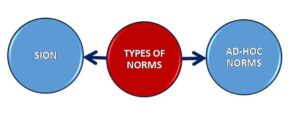
Standard Input-Output Norms (SION) is a list of standard norms that define the number of inputs required to manufacture a unit of output for export purposes. It contains a list of more than 10,000 products under different sectors. If manufacturer exporter and merchant-exporter want to modify existing SION then an application needs to be submitted to DGFT Head office.
If there are no Standard norms for a particular export product, then the Exporter has to approach the Norms Committee at DGFT New Delhi and get the norms fixed for the export item either through Prior fixation of Norms or Fixation of Norms after getting the Advance License. All such Norms fixed under this category are known as "Ad-hoc Norms Fixed"
To Search existing SION norms see the below procedure:
Here you will see the list of Chapter wise notes
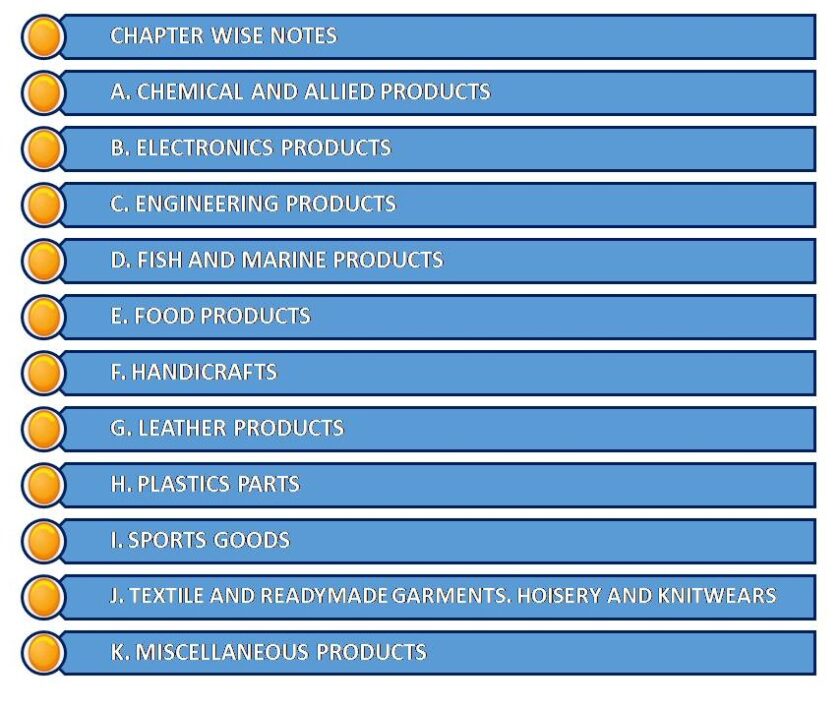
[SION Chapter List]
Also, the exporter can see the Application Master Data of SION, Ad-hoc Norms, No norms/Self Declaration Norms in the following way:
The below video is about the Fixation of Ad-hoc Norms under the Advance Authorisation scheme at DGFT Headquarters, New Delhi.
Many times, you have completed the Export obligation under the license and the license can be easily redeemed, but the norms have yet to be fixed by the Norms Committee, and as a result, you are unable to apply for Redemption. Because of this, it's important to know how norms are fixed and the various kinds of norms committees that exist. And what if your Norms case is denied? This video will cover all of these topics.
There are 7 Norms Committee (NC) as per Indian Trade Classification (Harmonized System) - ITC (HS) of export products (Annexure A).
For different commodities, we have different Norms Committee.
Following are the details of Norms Committees along with product groups dealt with by each Norms Committee and respective HS Chapters relating to norms fixation.
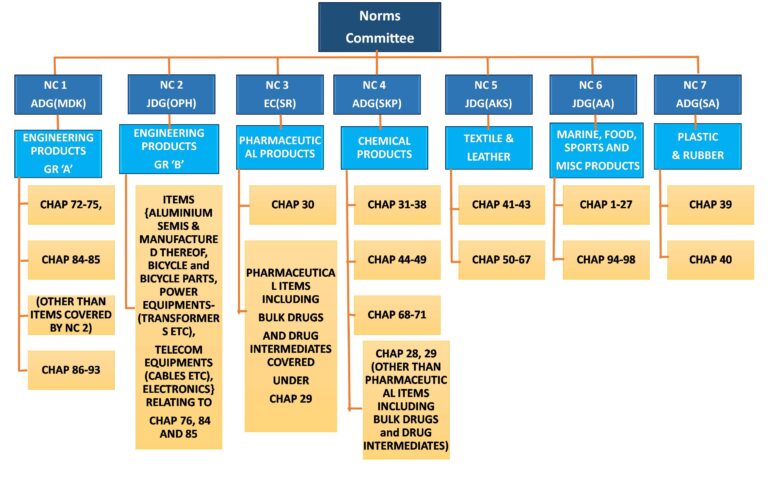
[Norms Committee]
Roles of Norms Committee:
Following are the documents required for Norms Fixation under Advance License:
We can get norms fixed in two ways:
1.Prior Fixation of Norms
2. Fixation of Norms after obtaining the Advance Authorisation.
Please find an image below which explains all the above two ways in a simple manner-
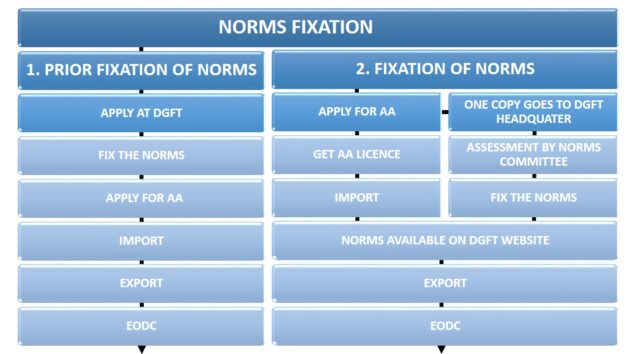
In the case where norms have not been notified and the applicant wants to get the ad-hoc norms fixed before making an application for Advance Authorization that is called Prior Fixation of Norms.
The prior fixation of norms consumes a lot of time & money. So DGFT decided under Para 4.07 of the HBP to process the Norms Fixation applications simultaneously with the Advance Authorization application.
There are many products already fixed but still many products have not been listed under S.I.O.N. so the exporters are unable to get duty-free import Advance Authorization entitlement.
We do all kinds of Norms Fixation, Ratification &Ad-hoc Norms from Delhi DGFT.
We will manage norms fixation in such a manner that the approval time for norms fixation will be very less.
We are the leading Import Export Consultant (DGFT & Customs Expert) having a client base across India. We provide all the services related to DGFT which include the MEIS scheme, EPCG, SEIS, Advance Authorisation, DFIA, RoSCTL scheme, TMA scheme, RoDTEP scheme, etc.
Our vast experience and immense knowledge have made us unmatchable in our field.
The benefit under Advance Authorisation scheme comes with certain terms and conditions, please find them below:
The material imported under Advance Authorisation shall be subject to the “Actual User” condition. It means that the material cannot be transferred and it has to be used in the premises of the License holder only. It is not transferrable even after the completion of Export Obligation (EO). However, the Advance License holder will have the option to dispose of/sell products manufactured out of duty-free input once the Export Obligation is completed.
It means that the raw material should be imported first; physically incorporated in the export product and then the export should take place. You cannot export first using the duty paid material that you have and then Import raw material duty-free. This is not allowed. Items that have the pre import condition have been indicated in Appendix 4J or SION Norms List.
It means that the raw material should be imported first; physically incorporated in the export product and then the export should take place. You cannot export first using the duty paid material that you have and then Import raw material duty-free. This is not allowed. Items that have the pre import condition have been indicated in Appendix 4J or SION Norms List.
It means that the raw material should be imported first; physically incorporated in the export product and then the export should take place. You cannot export first using the duty paid material that you have and then Import raw material duty-free. This is not allowed. Items that have the pre import condition have been indicated in Appendix 4J or SION Norms List.
Minimum Value Addition under Duty Free import Authorisation scheme
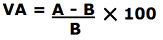
A = FOB value of export realized or the FOR value of supply received.
B = CIF value of inputs covered by the authorisation, plus the value of any
other input used on which benefit of DBK is claimed or intended to be claimed.
In case the exporter does not want to import directly under Advance Authorisation, i.e. he wants to procure raw materials indigenously from a domestic supplier. Then he/she needs to invalidate the Advance License for direct import and obtain the Invalidation letter from DGFT. Invalidation Letter is issued by DGFT RA at the time of Advance Authorisation or subsequently. The validity of the Invalidation letter is co-terminus with the validity of Advance Authorisation.
On completion of the imports and exports, the license holder shall submit an application in ANF-4F for the Redemption of the Advance Authorisation License. The Regional Authority of DGFT will verify the completeness of the Application in all aspects. If Export Obligation (EO) and other conditions have been successfully fulfilled, the Regional Authority (RA) will issue the EODC (Export Obligation Discharge Certificate)/ Redemption Certificate to the Authorisation holder.
[ To know each and every detail about the EODC/Redemption of Advance Authorisation online on the newly launched DGFT portal watch the complete video given below- ]

© 2024 K.K. Aequitas - Developed by - Advert India
© 2024 K.K. Aequitas - Developed by - Advert India